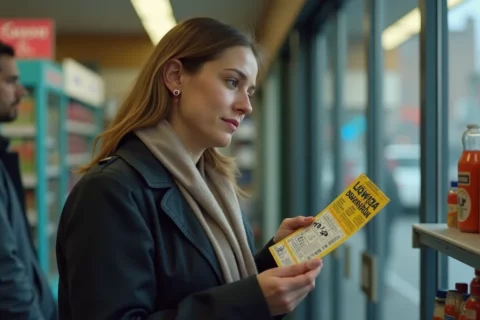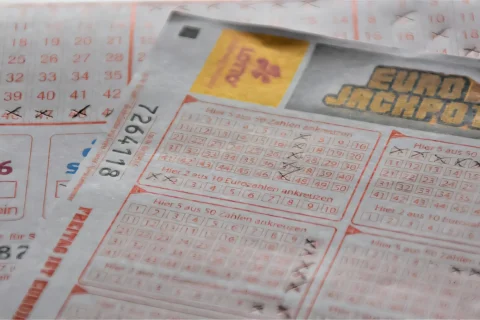
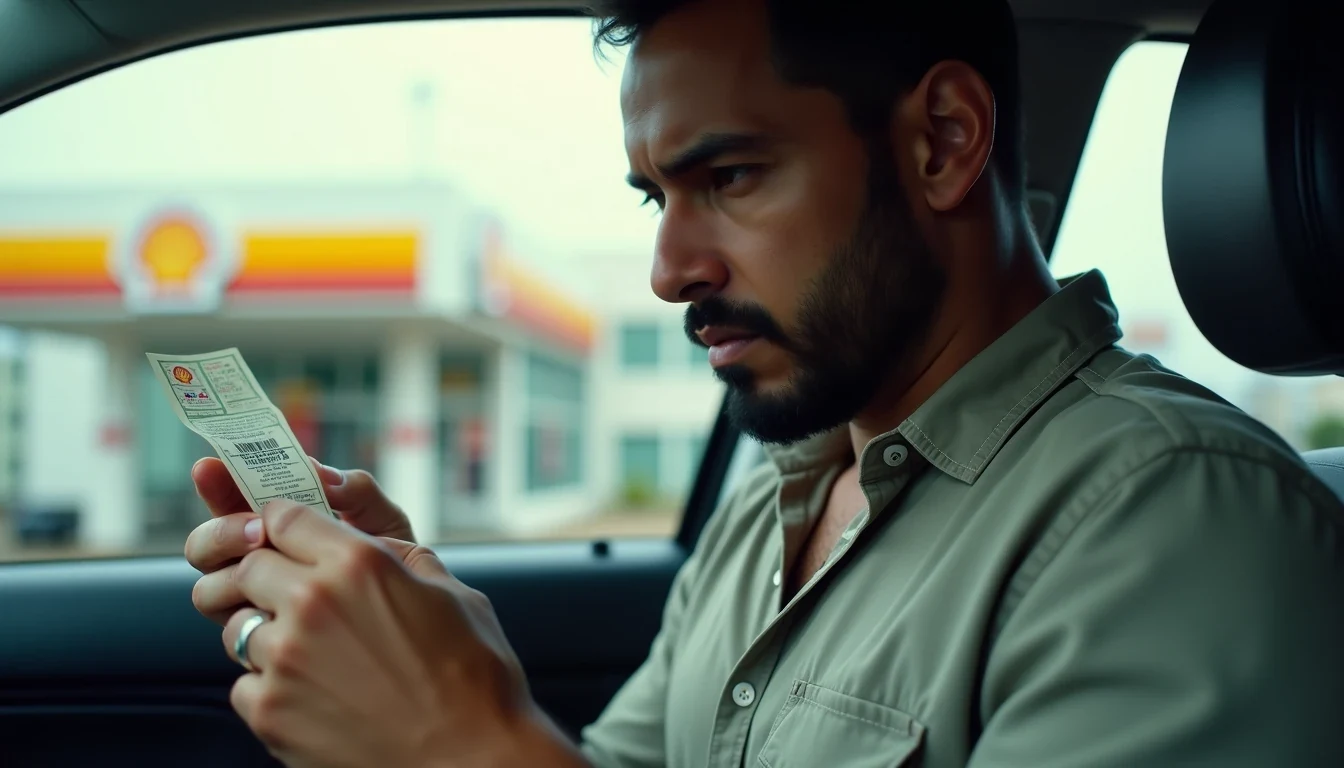
The Tuesday after the R128 million PowerBall rollover, a punter in Durban sat in his car outside a Shell garage for eleven minutes, staring at a ticket with five of six numbers matched. He had the 14, the 23, the 31, the 42, the 47. The PowerBall was 9. He had played 8. A single digit, one he had first chosen and then talked himself out of, separated his life from the one he was now inventing, exhaust by exhaust.
This is the near-miss. It is not the ordinary loss, but the almost-win that installs itself in memory like a splinter and stays there longer than most actual payouts.
Why the Brain Prefers Almost to Enough
The punter who bags R4,500 for five numbers and no PowerBall often feels worse than the one who hit nothing at all. The R4,500 is real money, but it lands as evidence of proximity, not reward. The brain processes this through upward counterfactual thinking, a habit of imagining better outcomes that sharpens regret. The winner of R4,500 can taste the R128 million. The winner of zero cannot.
Neuroscience has mapped this. Near-misses activate reward pathways in patterns similar to actual wins. A slot machine showing two jackpot symbols and a blank feels like momentum rather than failure because the gambler’s body responds to the configuration, not the outcome. In lottery play, where the gap between tiers is exponential, this effect multiplies. Matching five of six Lotto numbers triggers the same circuitry as a small win while delivering emotional consequences closer to a significant loss.
The mind then builds the parallel life. The Durban punter constructs the resignation email, the paid-off bond in Umhlanga, the argument with his brother about the family business. The alternative reality acquires sensory weight. He can smell the leather of the car he did not buy. This mental simulation has narrative structure, and it consolidates the memory more durably than the R4,500 ever could.
The Two Stances Punters Take
How a player interprets the near-miss determines what happens next.
One camp treats proximity as signal. The five-of-six result becomes evidence of warming luck, of numbers aligning, of a pattern emerging from noise. This stance feeds on the illusion of control, the conviction that randomness can be read and that a near-miss is the system showing its hand. These punters often increase stake or frequency, integrating the almost-win into rituals of number selection and timing. The Tuesday ticket becomes proof that Wednesday’s ticket deserves more attention, more money, more faith.
The other camp reads the same event as pure statistical noise. A lottery with 20,358,520 combinations will produce five-number matches regularly. The near-miss is the expected byproduct of mass participation, not a personal message. These players process the regret and move on, treating each draw as independent and each outcome as disconnected from what came before. They are not immune to the initial sting; they simply deny it interpretive weight.
Both stances have costs. The first can accelerate exposure to loss. The second, while mathematically cleaner, sometimes misses the social and emotional reality of why people play. Nobody buys a PowerBall ticket for the expected value. They buy it for the hours between purchase and draw, for the shared speculation, for the temporary permission to imagine transformation. The near-miss, interpreted or dismissed, is part of that purchase.
The Stories Punters Actually Tell
The research on gambling memory confirms what any taxi rank or braai conversation already suggests. Near-miss stories outlast win stories because they invite participation. A R50,000 win is a closed transaction. A missed R128 million is an open narrative, one that improves with retelling and draws listeners into the reconstruction.
The common scenarios repeat with local variation. The forgotten ticket, discovered in a wallet after the draw, with the player’s regular numbers lighting up the evening news. The changed combination, abandoned after months of loyalty, hitting the same week. The early cash-out on an accumulator, accepted at 60% of potential return, followed by the last leg converting. The machine left for a smoke break, occupied by a stranger who triggers the progressive on the next spin. Each variant produces the same structural emotion: not the flat fact of loss, but the active construction of what would have followed.
These stories circulate because they perform work. They validate the storyteller’s engagement, turning a random outcome into a meaningful episode. They solicit empathy more reliably than win stories, which risk envy. And they preserve hope, since a near-miss implies nearness, and nearness implies possibility.
What the Near-Miss Actually Means for Play
The practical question is whether recognizing this psychology changes behaviour. For most punters, it does not, and perhaps should not. The capacity to imagine alternative outcomes is not a malfunction to correct but a feature of how humans process chance. The punter who never constructed the parallel life would likely never have bought the ticket.
Awareness can clarify the terms. The near-miss is not information about future probability. It is information about present emotion, about how the mind responds to configurations that resemble success without delivering it. The Durban punter’s 8 versus 9 teaches nothing about Wednesday’s draw. It teaches something durable about how regret operates, how vividly the unlived life can be rendered, and how gambling produces experiences that outlast their financial content.
The invitation stands for readers to contribute their own. The changed numbers, the abandoned machine, the ticket left in the glove compartment. These are the stories that persist, not despite their emptiness, but because of it.