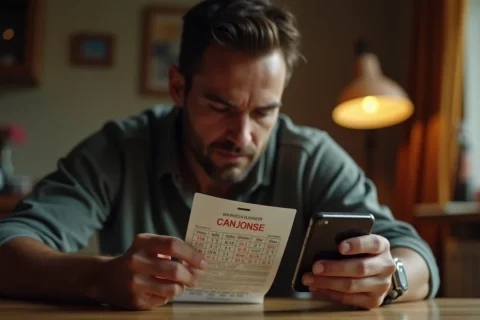

The notification arrives at 6:47 on a Tuesday morning, while the kettle is still warming and the neighbour’s dog hasn’t started its routine complaint against the dawn. For one punter in Durban, the balance readout on her Hollywoodbets account simply refuses to compute: seven digits, the first one not a one or a two. She refreshes. Refreshes again. The number holds. Somewhere between the second and third verification, her hands begin to shake badly enough that she sets the phone facedown on the kitchen counter and walks to the window, where nothing in the street has changed.
This is quiet panic, not celebration.
The First Hour Is For Disbelief
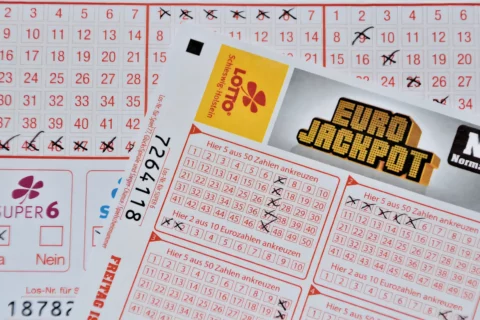
Every major win in this country follows the same verification ritual, though the tools differ. A Lotto or PowerBall punter with a physical ticket from a Spar or Engen forecourt will drive to the nearest authorised retailer before the terminal even warms up, watching the machine scan and confirm what the printed numbers already declare. The Ithuba website gets hammered with refreshes. Screenshots multiply. Someone, somewhere, is comparing their ticket against the morning paper for the fourth time, certain that the 34 they read as 33 will restore cosmic order.
Digital winners face a stranger mirror. The balance sits there, liquid and immediate, yet somehow less real than paper. A Betway or Lottostar account showing a seven-figure sum demands its own proof: transaction history, email confirmation, the timestamp on the original stake. The money exists as pixels first, and pixels feel like they could glitch.
The critical step for physical tickets happens in this window. Sign the back immediately, in ink, before the adrenaline makes your handwriting illegible. A bearer ticket without a signature is a legal fiction, anyone’s claim. Photograph both sides. Secure it somewhere that requires a key and a conscious decision to access. These are the only measures.
Three Punters, Three Diverging Mornings
By 9:00, the responses have already split into recognisable types.
The routine maintainer showers, dresses, catches the Metrorail or drives the usual route to work. He does not vary his coffee order. He answers emails with the same half-attention as yesterday. This discipline is not denial but strategy: any sudden change in behaviour becomes data for colleagues, family, the woman at the petrol station who notices his hands are steady now when they trembled yesterday. He has not decided when to claim. He has decided only that no one will know before he does. The ticket, signed and photographed, sits in a sealed envelope inside his toolbox, which no one opens because no one borrows tools from a man who counts them.
The impulsive resigner has already drafted the email in her head by 8:15, though she may not send it until noon. The fantasy of liberation, of walking past the supervisor who scheduled her for Christmas Eve, proves irresistible. She has not calculated the tax position. She has not confirmed the withdrawal timeline. She has confirmed only that this impossible number means she will never again explain a late delivery to a client who does not read his own purchase orders. The resignation feels like the first purchase she makes with the money, and like many first purchases, it may cost more than the price tag shows.
The scam-fearer spends the day in a different prison. By 10:30 he has called the operator’s helpline twice, hung up both times before speaking to a human, convinced the human will be part of the conspiracy. He searches news reports for identical scams. He reverse-image-searches the congratulatory SMS. He knows, rationally, that official channels do not demand upfront fees or banking passwords, that the R50,000 threshold for direct Ithuba claims is a matter of public record, and that his ticket ID checks out against the draw database. Knowing and believing occupy different floors of the building. He will not sleep tonight. He may not sleep tomorrow.
The Temptation to Break Silence
By evening, all three face the same arithmetic. The secret has a half-life measured in hours, not days.
The routine maintainer calls his brother, the one who moved to Cape Town and speaks to him monthly. The call lasts four minutes. He says nothing specific, only that something has happened, that he will explain when he has explained it to himself. The brother hears something in his voice, asks if he is in trouble. He says no, and for the first time today, he almost believes it.
The impulsive resigner has told her mother, her best friend from high school, and the Uber driver who collected her from the office at 2:00 when she could no longer sit still. Each confession felt like relief until the next morning, when three people know, and three people have networks. Networks are where secrets become rumours.
The scam-fearer tells no one, which is its own burden. The win remains hypothetical, unwitnessed, possibly imaginary. Without external confirmation, the day acquires a dreamlike quality that will persist until the claim is filed and the funds clear, which may take weeks. He has traded the risk of exposure for the risk of unreality.
What the First Day Actually Decides
The practical questions that surface by nightfall are surprisingly uniform across personality types. Should the bond be settled in a lump sum or maintained for the credit record? What does SARS want before the money moves? Which family members have already, in casual conversation over the years, staked implicit claims? The answers require professionals, and professionals require appointments. Appointments require admitting that the appointment exists.
The first day decides almost nothing about the money. It decides everything about who knows, who suspects, and who will arrive with their hand out before the clearance comes through. The punter who maintains routine, who resists the resignation email, who verifies through official channels rather than confessional phone calls, buys the only asset that cannot be purchased later: time to think.
By midnight, the Durban woman has not spent a rand. She has moved the ticket from the toolbox to a safety deposit box appointment she will make tomorrow. She has not told her mother. She has opened and closed her banking app seventeen times, watching the balance remain unchanged, still unreal, still waiting for her to believe it enough to begin.