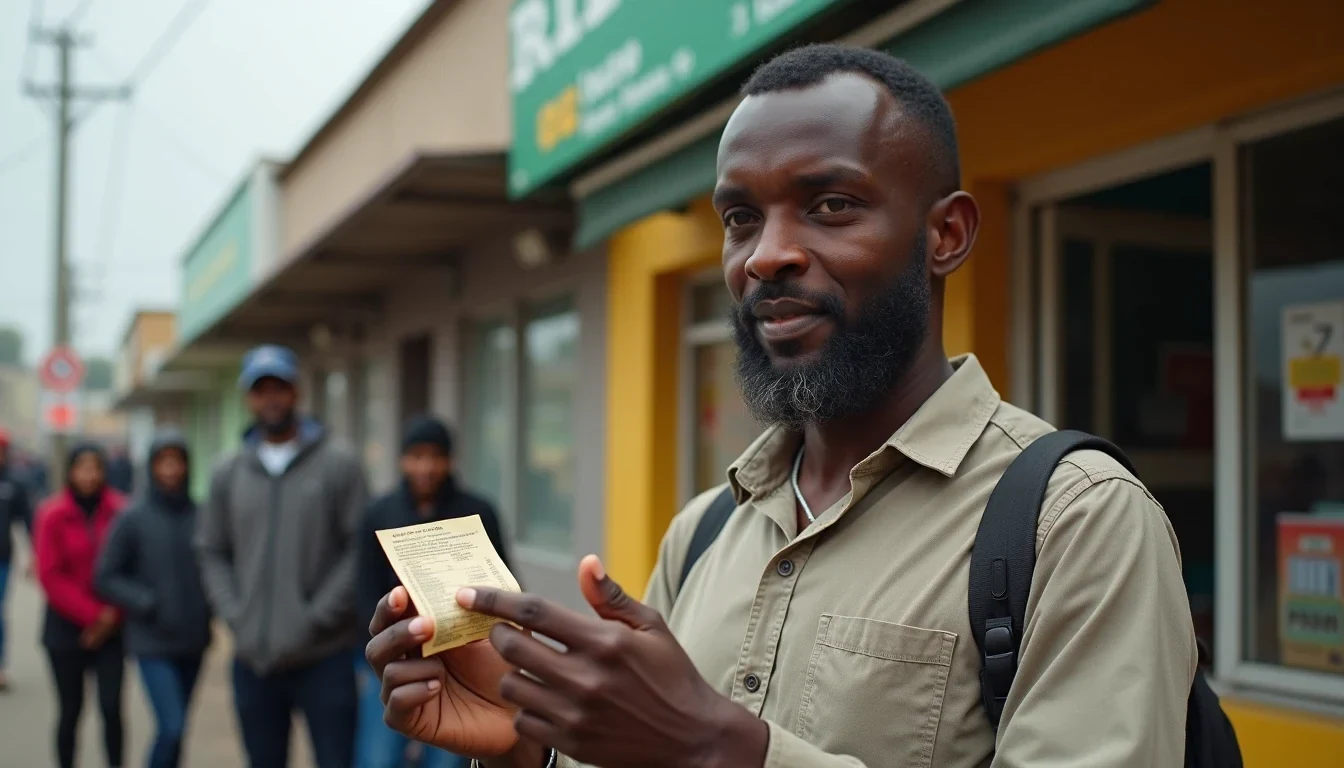
A man in Soweto has played the same six digits every Tuesday and Saturday for eleven years. They are not his birthday. They are the date his mother died, the number of the taxi rank where she worked, and the house number of the home she bought with twenty years of cleaning wages. He knows, because he has checked, that this combination has exactly the same probability as any Quick Pick spat out by the machine. He plays them anyway. He does not ignore the odds; he considers what he would be giving up if he stopped.
The Numbers People Carry
Walk up to any queue outside a National Lottery outlet on payout day and ask about lucky numbers. The answers come back as biography, not arithmetic. Birthdays of children now grown. Wedding anniversaries that outlasted the marriage. The day a father stopped drinking. The jersey number of a Chiefs striker who scored in the 2001 Soweto Derby. The route number of a taxi that never crashed.
These selections follow patterns that map cleanly onto South African life. Birth and death dates of deceased relatives appear constantly, turning a R5 ticket into a brief act of remembrance. House numbers from childhood homes in the Eastern Cape, from first flats in Hillbrow, from the RDP house finally allocated after years on a waiting list. Vehicle registration digits, especially from a first car, are still remembered with the pride of ownership that only a working-class purchase carries. Football shirt numbers from Kaizer Chiefs, Orlando Pirates, Mamelodi Sundowns, connect township sporting memory to jackpot hope.
Some players reach for national dates, like April 27 or June 16. These are less common, but they appear, and they carry a different weight, a public memory folded into private longing.
These numbers are not lucky; they are theirs. A Quick Pick produces digits without history. A chosen number carries the density of a life already lived.
The Fear of Stopping
The most powerful force keeping punters locked to the same combination is not hope. It is terror of a very specific shape.
A woman in Durban played 3, 12, 19, 24, 33, 41 for eight years. One Saturday she was short on cash, skipped the draw, and watched those exact numbers come up on the evening news. She does not play the lottery anymore, nor does she talk about it. The story circulates in her family as a warning.
This is the fear that rules number loyalty: not the fear of never winning, but the fear of winning immediately after quitting. The fear that the universe, or the machine, or whatever governs the draw, was waiting precisely for that moment of betrayal to deliver the jackpot.
Psychologically this is recognisable as regret aversion, the disproportionate dread of a self-inflicted wound. It pairs with the sunk cost fallacy, the sense that years of staking the same combination have built an investment that cannot be abandoned. The numbers have been fed, attended to, kept alive. To stop is to waste every previous ticket.
Some players report “close calls” as reinforcement. Four numbers matched. Five numbers, even, with only the bonus ball missed. Each near-miss reads not as statistical inevitability but as progress, as the combination warming up, as proof that abandonment now would be madness.
The Ritual of Selection
The act of choosing numbers, for those who do not use Quick Picks, is rarely casual. It unfolds as ceremony. The same pen. The same day of the week. The same shop, sometimes the same teller. Some players describe consulting dreams, waking with digits clear and urgent, treating the subconscious as a tipster.
These rituals perform practical psychological work. They generate a sense of agency in a game structurally designed to eliminate it. The punter cannot influence the draw, but can influence the approach to the draw, and that slender territory of control becomes fiercely defended.
The ritual also builds narrative. A ticket purchased with numbers derived from a grandmother’s birthdate, bought on her birthday, held through a power outage that delayed the draw, creates a story with momentum. A win becomes not random but earned, the culmination of a sequence that began long before the machine started turning.
Number loyalists often speak of their combinations as possessions, almost as property. “My numbers.” The possessive asserts ownership over something the state lottery would prefer to keep entirely impersonal.
Quick Pick and the Freedom of Distance
Not everyone wants this weight. Quick Pick players, estimated at roughly half of South African lottery participants, choose the opposite bargain. They accept randomness without the pretence of personal connection. The machine decides. The punter watches.
The advantage is emotional distance. No regret if the numbers do not match, because no self was invested in their selection. No terror of abandonment, because there is nothing to abandon. No ritual to maintain, no narrative to sustain. The ticket is a ticket, not a chapter in an ongoing story.
Some Quick Pick players report a different anxiety, lighter but real: the fear that personally chosen numbers might actually win, and the accompanying knowledge that they could have played them and did not. The machine spares them this particular branch of regret.
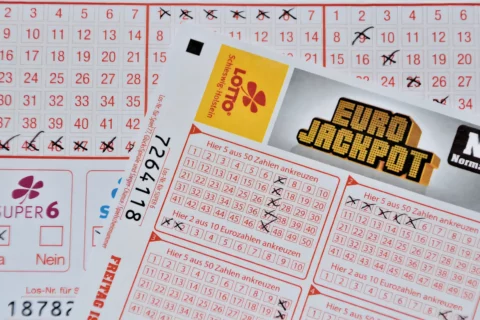
The statistical reality, which most regular punters grasp at some level, is identical. Every combination shares the same probability. The National Lottery does not weight numbers by emotional significance. A draw containing 1, 2, 3, 4, 5, 6 is precisely as likely as any other sequence, and precisely as likely as a combination derived from your first child’s birth weight in grams.
What the Numbers Actually Hold
The mistake is to treat number loyalty as failed rationality, as if punters simply misunderstand probability. Most long-term players understand the odds. They have read the pamphlets, calculated the improbability, absorbed the information. Their persistence is not ignorance. It is a different kind of calculation altogether.
The value of a chosen number is not in its probability of winning. It is in the quality of the win if it comes. A jackpot hit with a Quick Pick produces money. A jackpot hit with a dead mother’s taxi rank number, her house number, the date she died, produces money and meaning, money and narrative closure, money and the sense that she somehow reached through.
This is not irrational. It is a preference about what kind of win would be worth having. The mathematics of the draw are fixed. The psychology of the punter is not. South Africans who play their own numbers are not betting on better odds. They are betting on a better story, one they have already spent years writing.