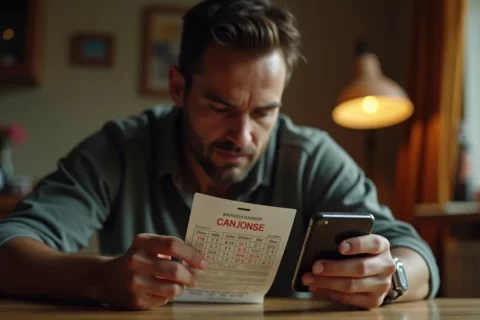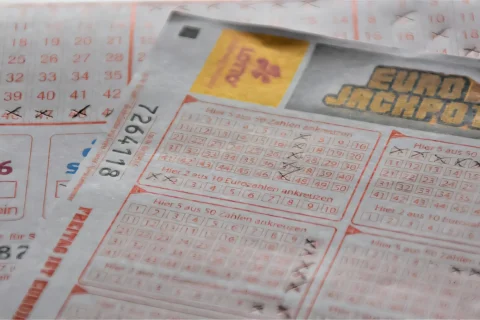

A R75 million PowerBall split ten ways still leaves R7.5 million each, enough to clear bonds and send kids to university. But the same division can also split a family down the middle when one cousin “forgot” their R50 contribution for the winning draw and still expects a full share. Syndicates promise better odds through pooled tickets, yet the real gamble often sits in the relationships between the people holding the money.
Where the Trust Fractures
Informal syndicates run on WhatsApp promises and cash stuffed into an envelope. This frictionlessness works until it doesn’t. The most common rupture is the missed payment: Thabo paid late three weeks running, skipped the winning draw entirely, and now wants his cut because he’s “always been part of the group.” Without a written record, the dispute becomes his word against the organiser’s bank statement, with R7.5 million hanging on who sounds more convincing in the family group chat.
Ticket custody creates its own breed of suspicion. The designated buyer holds the physical slip, bought with pooled funds, and suddenly claims it was a personal purchase made separately. This pattern has surfaced in syndicate disputes abroad, and the logic travels: whoever possesses the ticket controls the narrative unless documentation exists. A scanned image in a shared folder costs nothing but can be worth millions in clarity.
The organiser’s secret personal entry is a quiet betrayal. Sarah buys the group’s R100 in PowerBall lines, then adds a R20 ticket for herself using the same numbers. If one of those combinations hits, she can blur which ticket belongs to whom. The group suspects manipulation; she claims coincidence. The friendship curdles regardless of the actual outcome.
The Workplace Time Bomb
Office syndicates carry an extra complication: employment itself becomes the membership criterion. Sipho contributed faithfully for eight months, handed in his notice, and left before the final draw that produced a substantial Lotto win. Did his membership expire with his access card, or do past contributions entitle him to a slice? Most informal groups never codify what happens when someone departs, leaving former colleagues to argue across LinkedIn about loyalty and legal entitlement.
New arrivals create mirror problems. A colleague joins the syndicate in week three, wins hit in week four, and suddenly long-standing members question whether the newcomer “earned” an equal share. The absence of written join rules means every inclusion gets negotiated under the emotional pressure of a live win.
Can Rules Protect the Fun?
Some syndicate veterans insist formal agreements kill the spontaneity. The counter-argument writes itself after any serious dispute. A one-page document, signed by all members, need not resemble corporate legalese. It simply names contribution amounts and deadlines; who purchases and stores tickets; how shares calculate; what happens when someone joins, leaves, or misses a payment; and who mediates when disagreement arises.
A dedicated bank account adds transparency. All contributions flow in, all winnings flow out, and the statement becomes the neutral record that memory cannot distort. For groups playing significant stakes, having the agreement witnessed adds legal weight without theatricality.
The real question is whether the document preserves relationships or merely delays their collapse. Groups that draft rules before any win tend to discover that the process itself surfaces resentments early, when the stakes are still theoretical. It is better to argue about R50 contributions when R75 million remains hypothetical than to discover your brother-in-law believes friendship entitles him to retroactive membership.
One Ticket Alone or Many Tickets Shared
The mathematics favour syndicates. Ten people pooling R50 each buy 500 lines where an individual manages fifty. The social dimension matters too, the shared ritual of checking numbers, the collective fantasy of escape. But the payout divides accordingly, and the complications multiply with every additional member.
Playing alone means complete control, no arguments about forgotten payments, no suspicion of secret tickets, no negotiations with departing colleagues. It also means accepting odds that make the jackpot a statistical fiction rather than a plausible event.
The syndicate question ultimately tests what you value more: the mathematical edge of collective play or the psychological certainty of sole ownership. Most punters who choose the group path discover that the unspoken rules matter more than the written ones, until the moment they don’t, and then nothing remains unspoken at all.